5 Signs It's Time for Tree Removal in Hillsboro


Maintaining the health and safety of your property often involves making tough decisions, like tree removal. While it may be hard to part with a beloved tree, there are times when removal is the best option. Here are five signs that indicate it might be time to consider removing a tree in Hillsboro.
1. Visible Damage or Decay
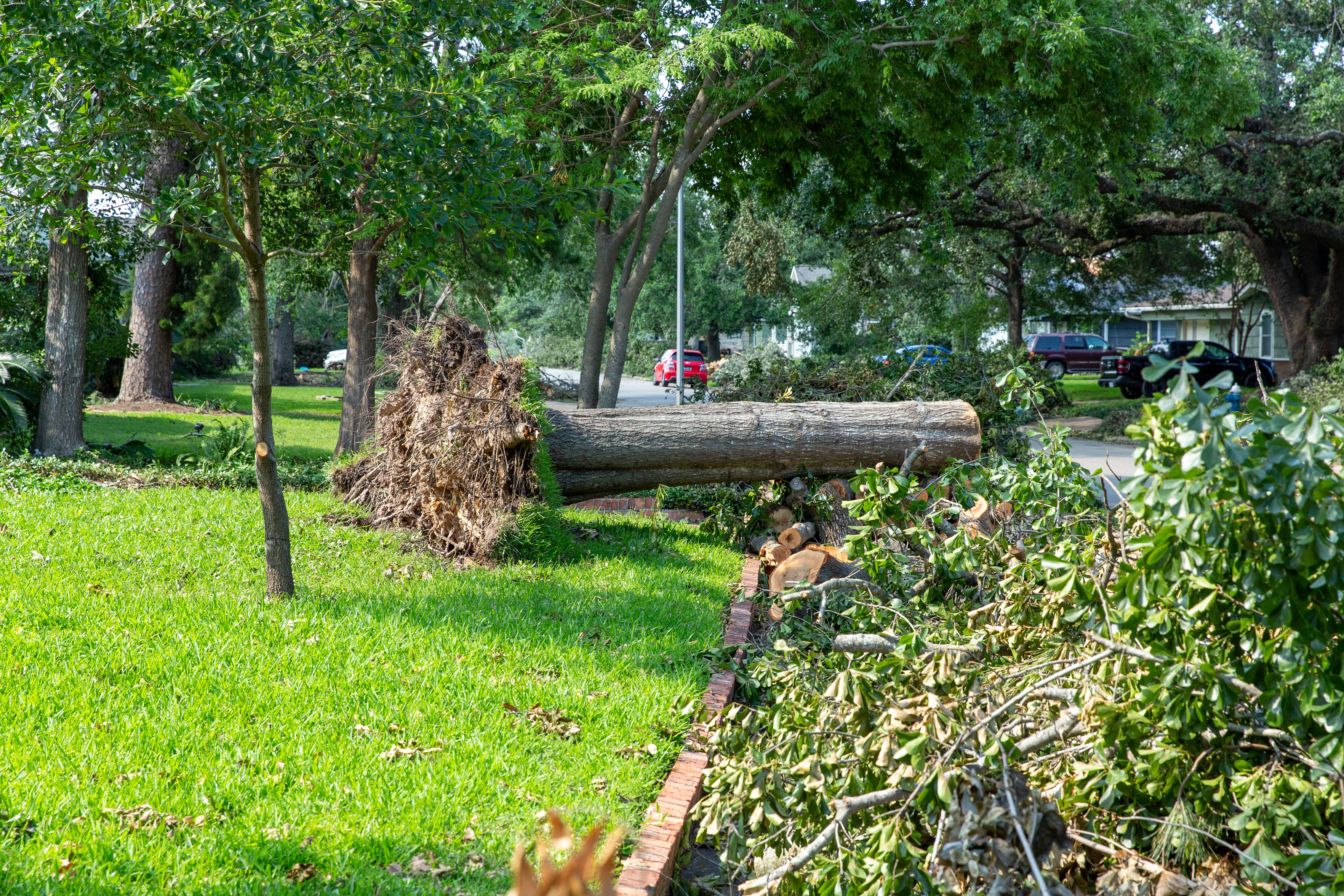
Trees that show significant signs of damage or decay, such as large cracks, splits, or hollow areas, can pose a serious safety risk. These issues often indicate structural weakness, which could lead to the tree falling.
The Dangers of Decay
Decay can spread internally, weakening the tree from the inside out. Look for mushrooms or fungi growing at the base, as these are strong indicators of rot. If you notice these signs, it’s wise to consult with a professional arborist.
2. The Tree is Leaning
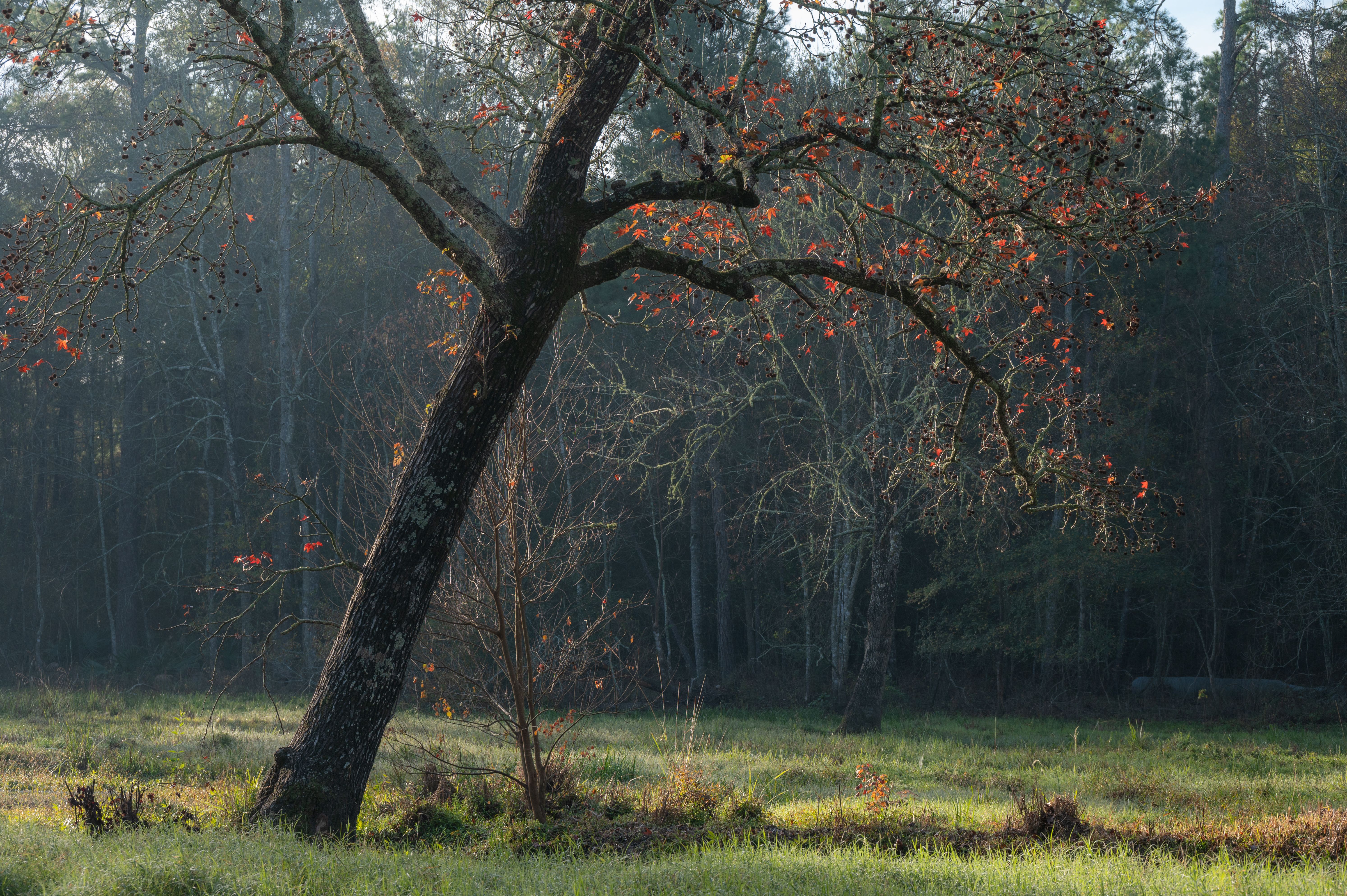
While some trees naturally grow at an angle, a sudden lean is a red flag. A tree that begins to lean significantly could be in danger of falling, especially if the lean is accompanied by roots protruding from the ground.
Assessing the Lean
Not all leaning trees require removal, but if the lean is more than 15 degrees from vertical, immediate action may be necessary. A professional can evaluate whether corrective measures can be taken or if removal is the safest option.
3. Proximity to Structures or Power Lines
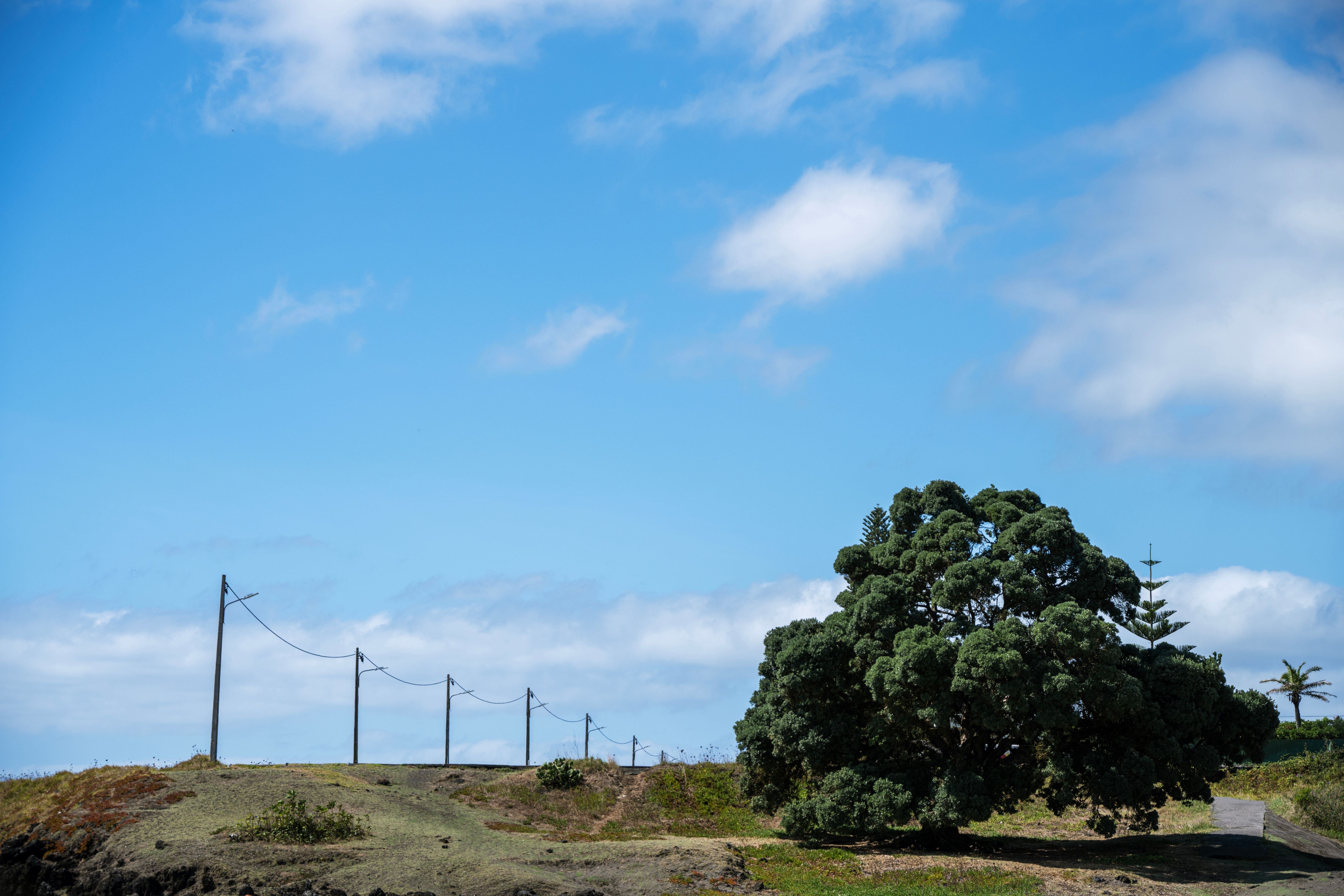
Trees that grow too close to buildings, power lines, or other structures can become hazardous. As trees grow, their branches can interfere with utility lines or damage property during storms.
Preventing Property Damage
Regular pruning can help manage growth, but in some cases, removal is the only way to prevent potential damage or power outages. Always consider the long-term implications of a tree’s proximity to important structures.
4. Infestation or Disease
Infestations by insects like borers or diseases such as Dutch elm disease can severely weaken a tree. Signs include unusual leaf loss, discolored foliage, or unusual growths on the bark.
Identifying the Problem
Early detection is key to managing tree health. If you suspect an infestation or disease, consult with an arborist who can diagnose the issue and recommend whether treatment or removal is necessary.
5. Unwanted Species or Overcrowding
Sometimes, trees need to be removed because they are not suitable for the landscape or they crowd out other plants. Certain species may be invasive or simply outgrow the space available.
Making the Right Choice
Consider the overall health and design of your landscape. Removing certain trees can open up space, allowing remaining plants to thrive. Planning and consultation with a professional can ensure a balanced and healthy environment.
If you encounter any of these signs, it’s important to act promptly. Tree removal can be a complex and dangerous task, best handled by professionals who can ensure the safety of your property and its surroundings.