Case Study: Transforming a Hillsboro Landscape with Sustainable Practices


Introduction to Sustainable Landscaping
In the heart of Hillsboro, a remarkable transformation has taken place. A traditional landscape has been reimagined using sustainable practices that not only enhance aesthetics but also promote environmental health. This case study explores how these practices were implemented and the positive impact they've had on the community.
The journey began with a small team of dedicated landscape architects who saw the potential to create a more eco-friendly environment. Their goal was to reduce water usage, enhance biodiversity, and create a space that would be resilient to climate changes.

Implementing Water Conservation Techniques
One of the primary focuses of this transformation was water conservation. The team introduced several techniques that significantly reduced water consumption:
- Drip irrigation systems were installed to deliver water directly to the roots of plants, minimizing waste.
- Rainwater harvesting systems were set up to collect and store rainwater for future use.
- Drought-resistant plant species were selected to thrive in the local climate.
These efforts resulted in a dramatic reduction in water usage, providing an excellent example of how landscaping can be both beautiful and sustainable.
Enhancing Biodiversity
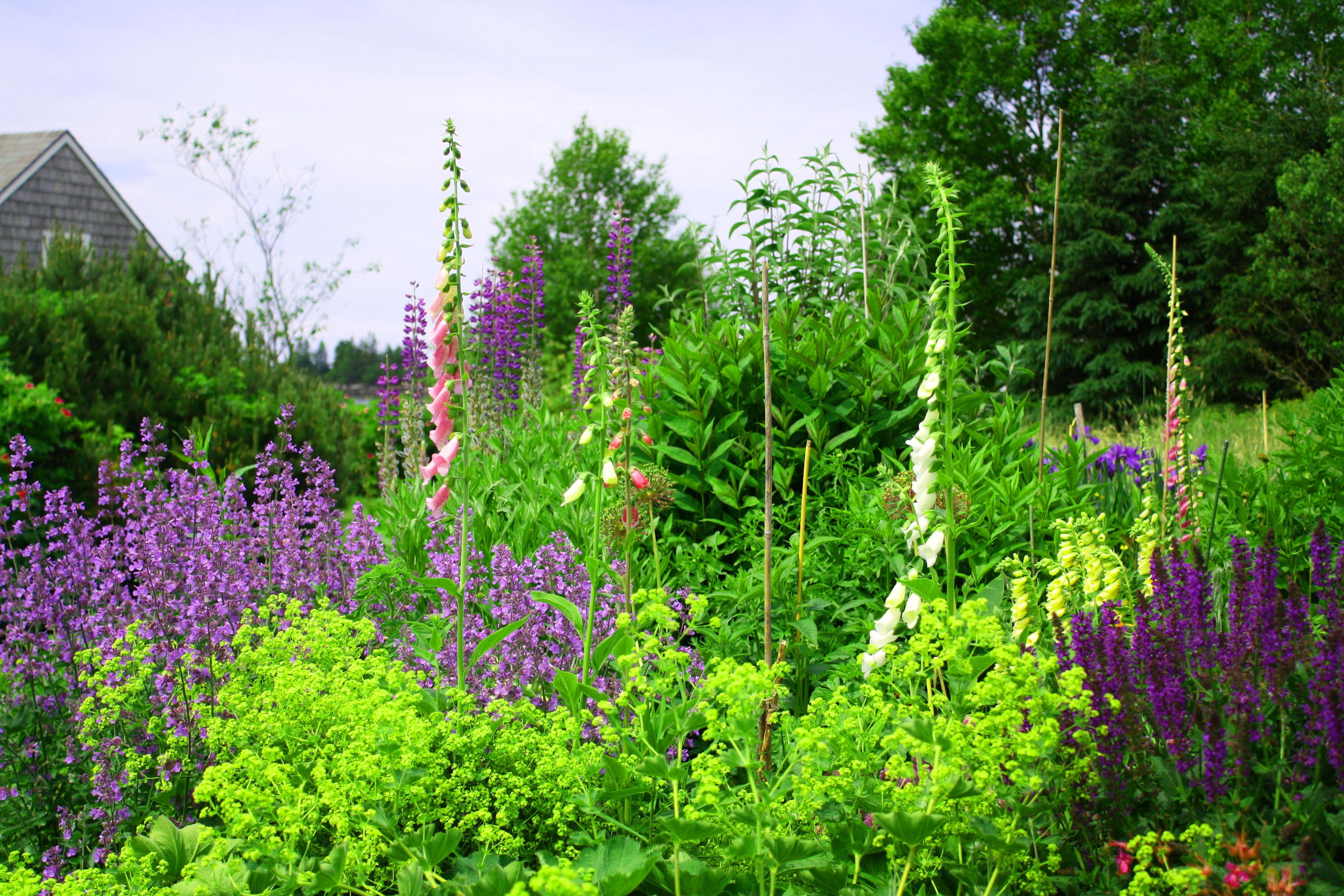
The introduction of native plants was another crucial aspect of the project. By choosing species indigenous to the region, the team was able to create a more self-sustaining ecosystem that supports local wildlife.
This approach not only reduced the need for fertilizers and pesticides but also attracted pollinators like bees and butterflies, enhancing the area's ecological value.
Soil Health and Organic Practices
Healthy soil is the foundation of any successful landscape. The team employed organic practices to enrich soil health, including the use of compost and natural mulch to improve soil structure and nutrient content.
By avoiding synthetic chemicals, the landscape became a safer environment for both plants and people, aligning perfectly with the principles of sustainability.
Community Engagement and Education
Transforming the landscape was not just about physical changes; it was also about fostering a sense of community. Workshops and educational sessions were organized to inform residents about sustainable practices and how they could implement them at home.

This initiative not only increased awareness but also inspired others to adopt similar practices, creating a ripple effect of positive environmental impact throughout Hillsboro.
Conclusion: A Model for Future Projects
The success of this project serves as a model for future sustainable landscaping efforts. It demonstrates that with thoughtful planning and community involvement, it's possible to create landscapes that are as beneficial to the environment as they are beautiful.
By prioritizing water conservation, biodiversity, soil health, and community education, Hillsboro has set a standard for sustainable landscaping that can be replicated in other regions. This case study highlights the power of sustainable practices in transforming not just landscapes, but entire communities.