DIY Tree Care Tips from Hillsboro Arborists: What You Can Do Yourself


Introduction to DIY Tree Care
Caring for your trees can be a rewarding and cost-effective way to ensure they thrive in your yard. While some tasks are best left to professionals, there are several tree care activities you can manage on your own. Hillsboro arborists have shared some essential tips to help you maintain the beauty and health of your trees.

Regular Watering
One of the simplest ways to keep your trees healthy is to ensure they receive adequate water. Newly planted trees require frequent watering, especially during the first few years. Use a slow-release method, such as a soaker hose, to allow water to penetrate deep into the soil. Established trees may need less frequent watering, but during dry spells, it’s important to monitor soil moisture levels.
Mulching
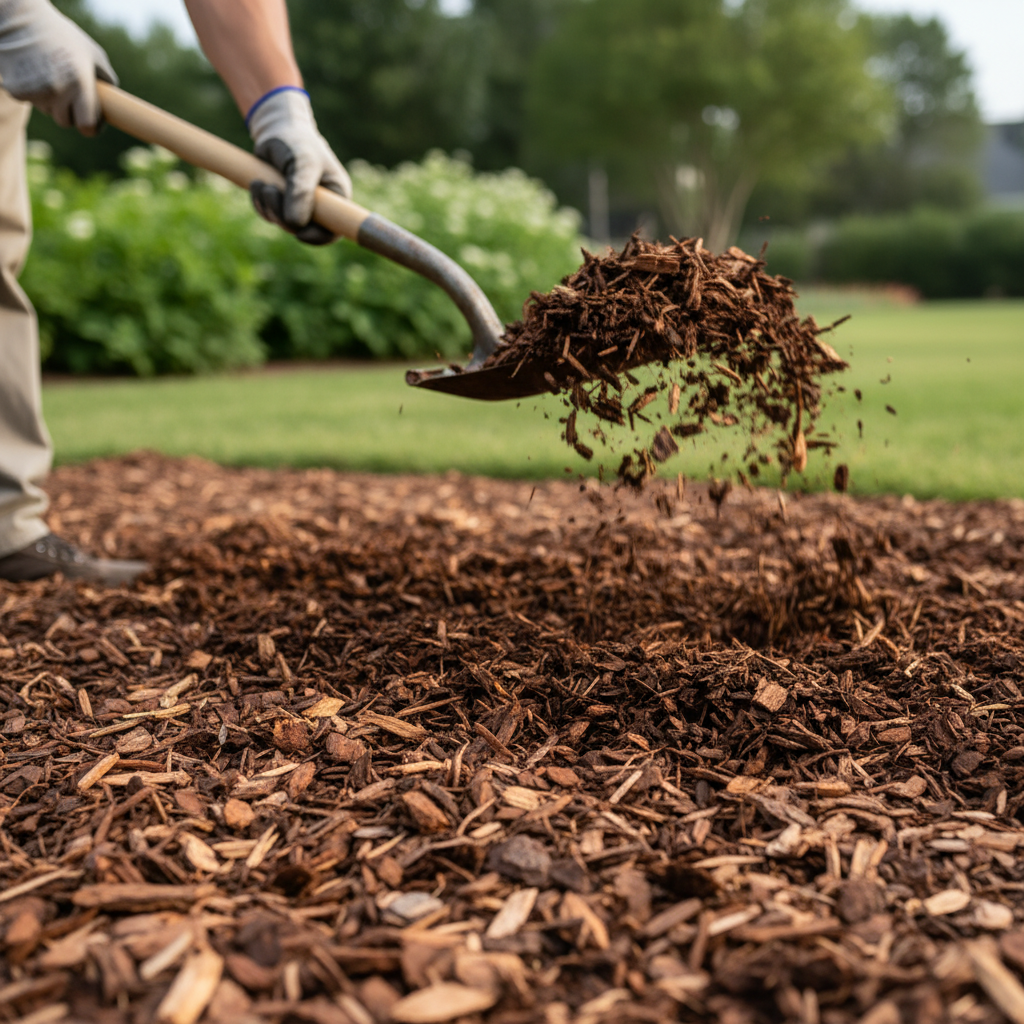
Applying a layer of mulch around the base of your trees can help retain soil moisture, reduce weed growth, and provide essential nutrients as it decomposes. Use organic materials like wood chips or shredded bark, and apply a 2-4 inch layer, ensuring it is not piled against the trunk to avoid rot.
Pruning Basics
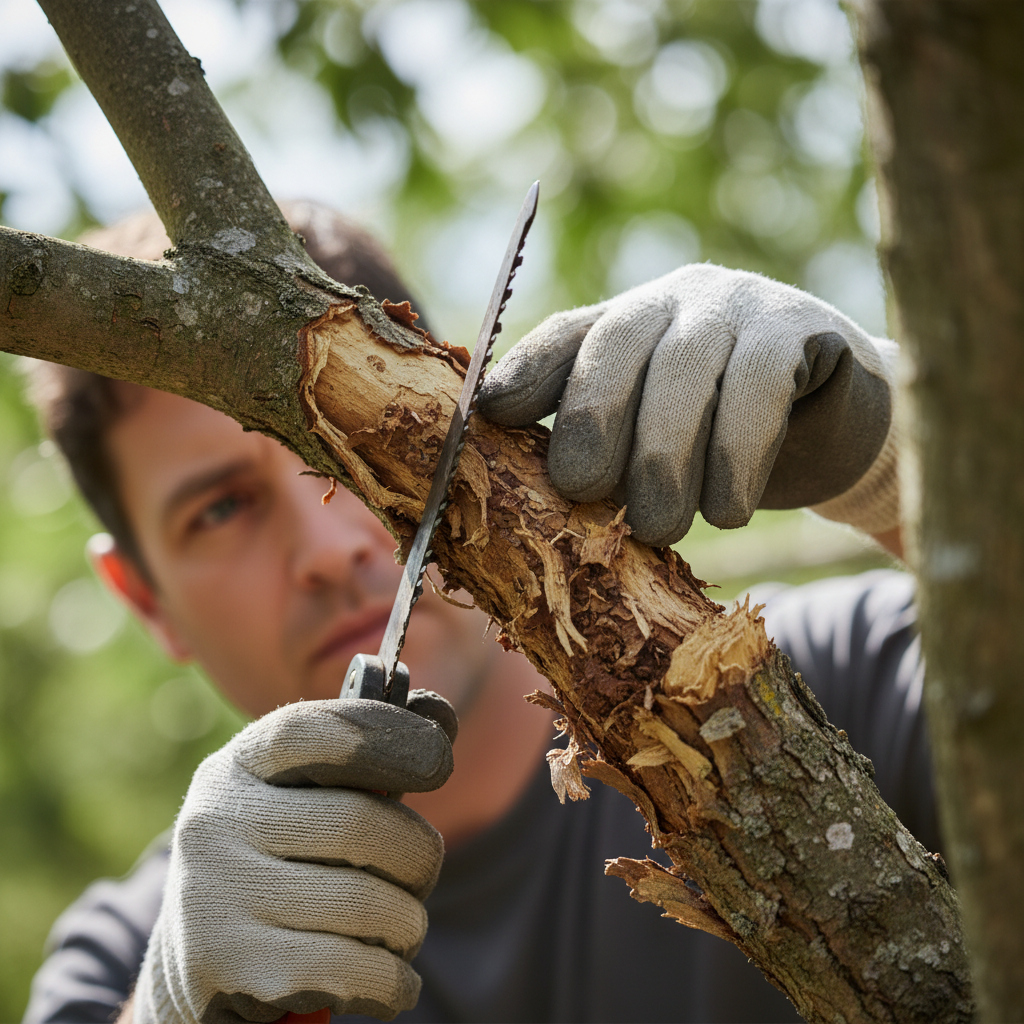
Pruning is crucial for maintaining tree health and structure. For DIY pruning, start by removing any dead, diseased, or damaged branches. Focus on branches that cross or rub against each other, as these can cause wounds and lead to disease. Always use clean, sharp tools to make cuts, and avoid removing more than 25% of the tree’s canopy in one season.
Identifying Pests and Diseases
Regularly inspect your trees for signs of pests and diseases. Look for discolored leaves, unusual growths, or insect activity. Early detection is key to managing these issues before they become severe. If you spot a problem, consult with a professional arborist to determine the best course of action.
Fertilizing Your Trees
Trees can benefit from fertilization, especially if they are growing in poor soil conditions. Use a slow-release fertilizer in early spring to provide a steady supply of nutrients throughout the growing season. Be careful not to over-fertilize, as this can lead to excessive growth and weak branches.
When to Call a Professional
While many tree care tasks can be managed on your own, there are times when it’s best to call in the experts. Large branches or entire tree removals should always be handled by a professional to ensure safety. Additionally, if you’re unsure about a pest or disease issue, an arborist can provide an accurate diagnosis and treatment plan.
By following these DIY tree care tips, you can enjoy a lush and healthy landscape. Remember, regular maintenance is key to preventing problems and promoting strong, resilient trees. Happy gardening!