How Often Should Trees Be Trimmed in Oregon? A Seasonal Guide


The Importance of Tree Trimming
Tree trimming is a crucial aspect of maintaining healthy and beautiful landscapes. In Oregon, where diverse tree species thrive, understanding when and how often to trim them is essential. Proper trimming not only enhances the aesthetic appeal of your property but also ensures the health and longevity of your trees.
Regular trimming helps prevent disease, promotes growth, and removes potentially hazardous branches. When done correctly, it can also improve air circulation and sunlight penetration, which are vital for a tree's overall well-being.
Understanding Oregon's Climate
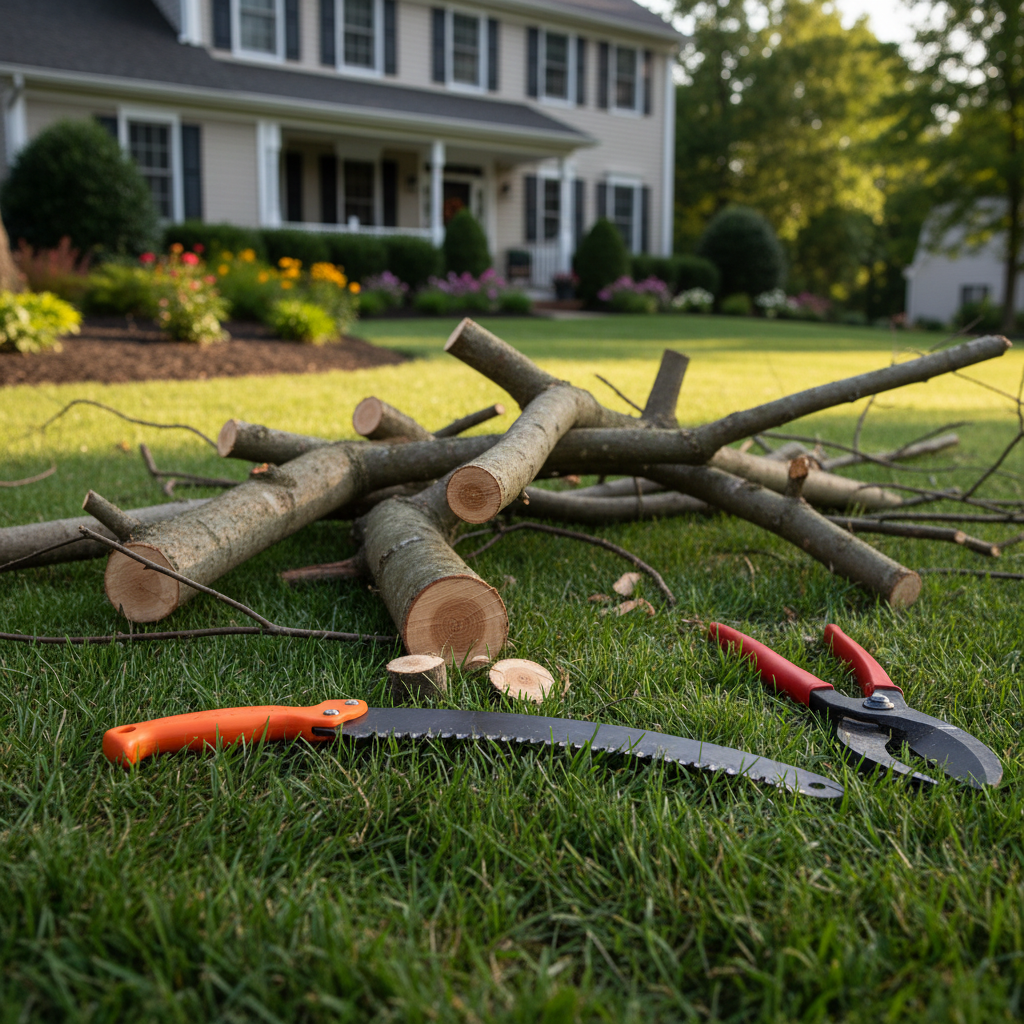
Oregon's unique climate plays a significant role in determining the best times for tree trimming. The state experiences a range of weather conditions, from wet and mild winters to dry and warm summers. This variability means that the timing of tree trimming can differ depending on the region and the specific tree species.
Understanding these climatic nuances is key to ensuring that your trees are trimmed at the optimal time for their health and growth. By tailoring your approach to Oregon's climate, you can maximize the benefits of tree trimming.
Seasonal Guide to Tree Trimming
Winter Trimming
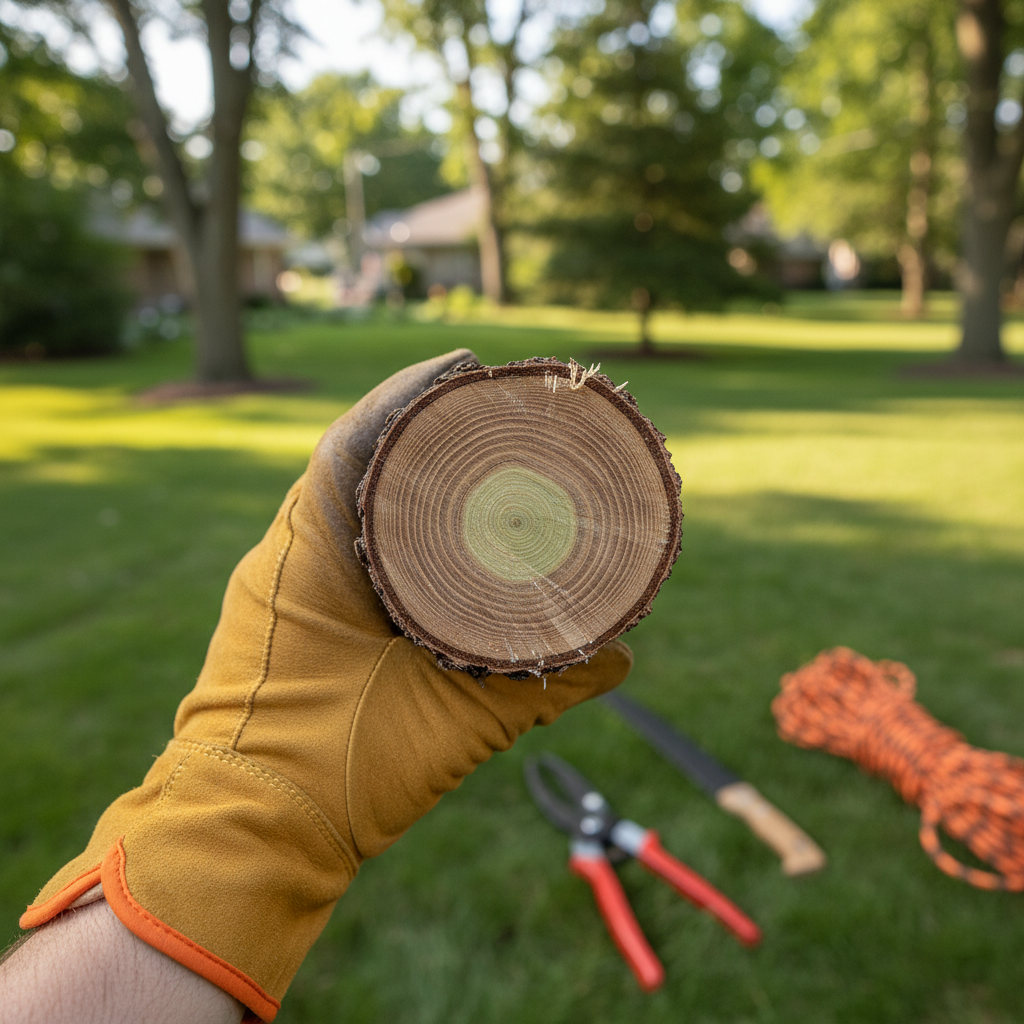
Winter is often considered the best time for tree trimming in Oregon. During this dormant season, trees are less susceptible to stress, and diseases are less likely to spread. Trimming in winter allows for precise cuts and helps in shaping the tree without the interference of leaves.
Spring and Summer Considerations
Although spring is not the ideal time for extensive trimming, it can be suitable for removing dead or damaged branches. Be cautious not to trim too much, as this is a crucial growing period for most trees.
In summer, light trimming can be performed to manage overgrowth and maintain shape. However, excessive trimming during this time can stress the tree, especially in the hotter months.
Fall Trimming
Fall is a transitional period where caution should be exercised. While it might be tempting to trim before winter, doing so can leave cuts exposed to harsh weather conditions, potentially causing damage.
Tree-Specific Trimming Needs
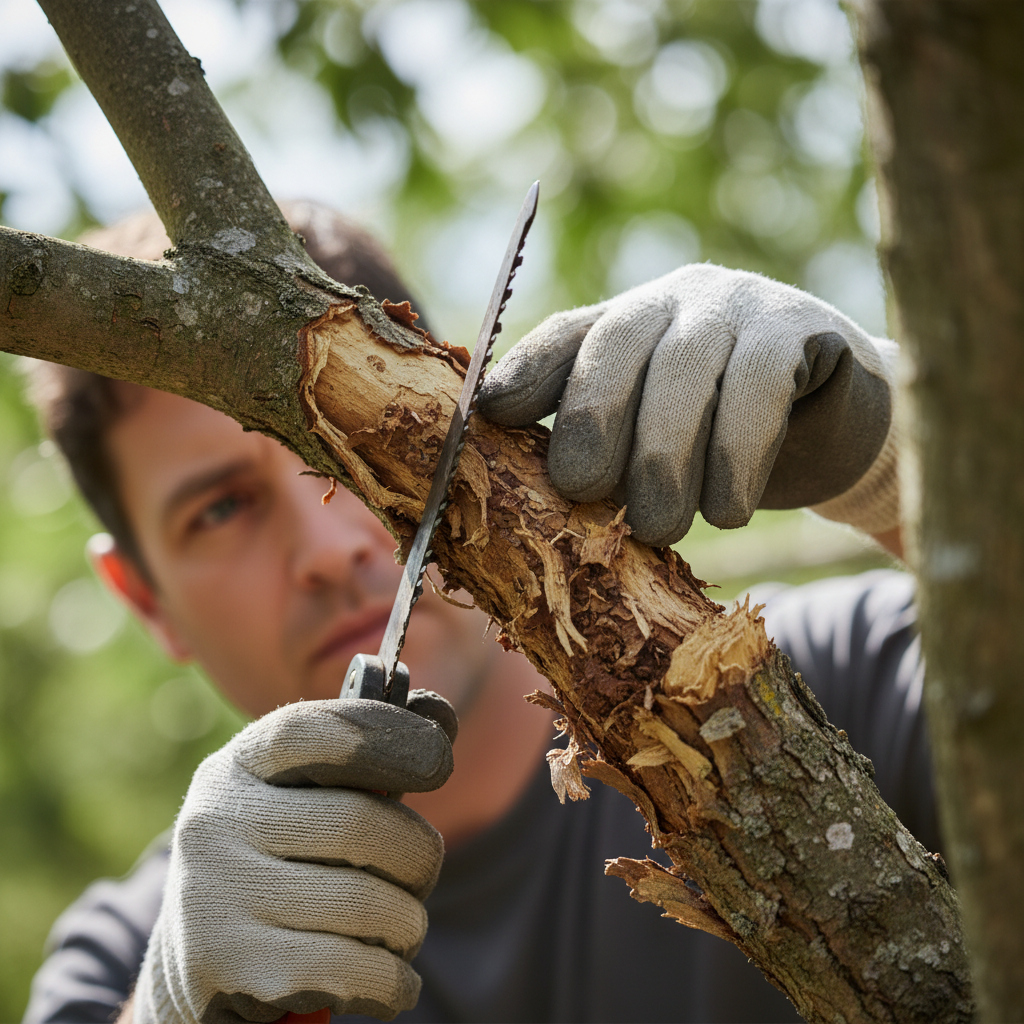
Different tree species have distinct trimming requirements. For instance, fruit trees often benefit from winter pruning to encourage a bountiful harvest in the spring and summer. On the other hand, evergreens might only need minimal trimming.
Consulting with a local arborist can provide tailored advice for the specific trees on your property. They can offer insights into the best practices for each species, ensuring optimal health and growth.
Conclusion
Regular tree trimming is essential for maintaining the health and beauty of your landscape in Oregon. By understanding the seasonal needs and specific requirements of different tree species, you can ensure that your trees thrive year-round. Proper tree care not only enhances your property's appearance but also contributes to a healthy environment.