How to Assess Tree Health: Expert Tips from Hillsboro Arborists


Maintaining the health of your trees is crucial for both aesthetic appeal and environmental benefits. Trees provide shade, improve air quality, and enhance property value. Understanding how to assess their health can prevent problems before they escalate.
Understanding the Basics of Tree Health
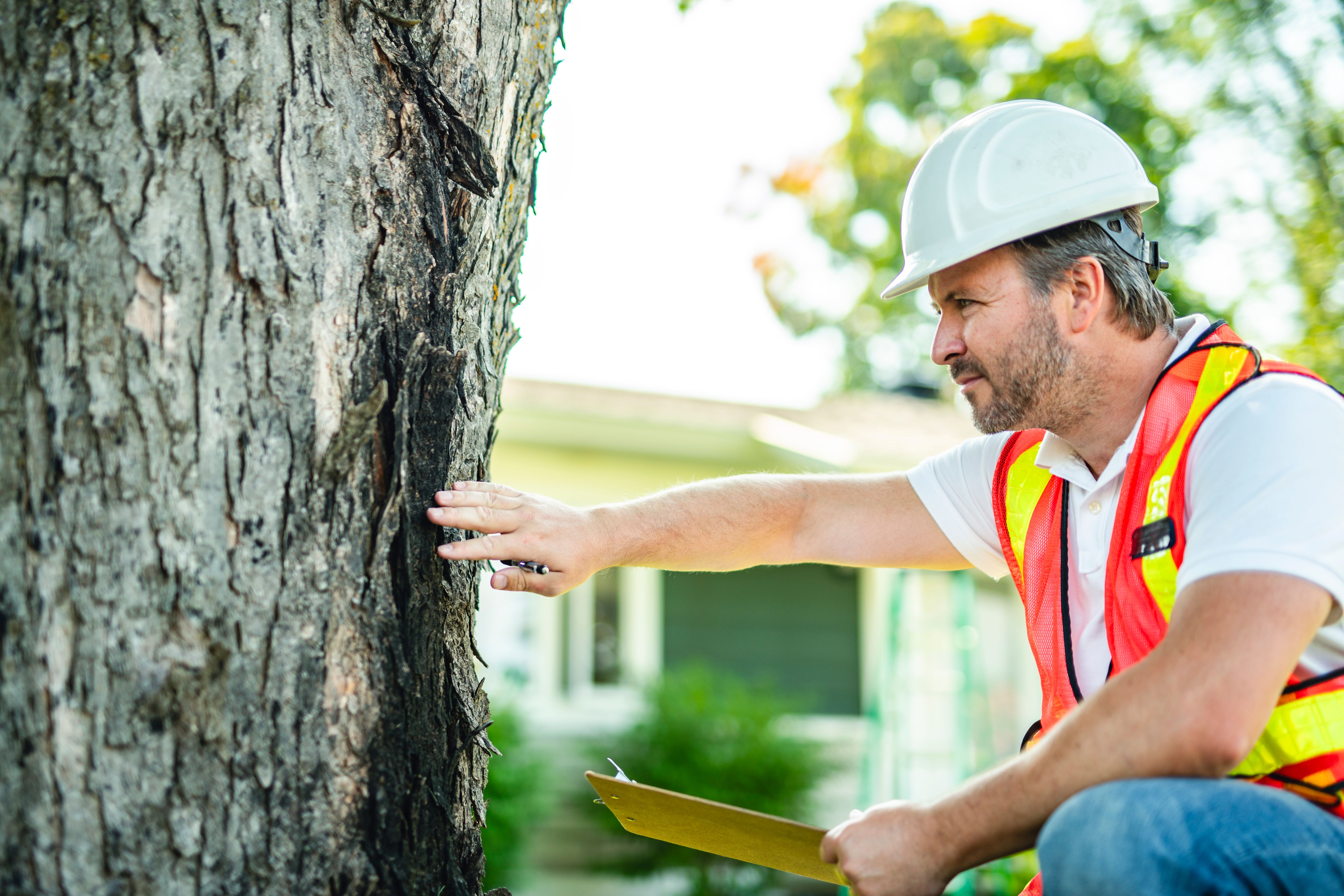
Before diving into specific assessments, it's essential to know what constitutes a healthy tree. A healthy tree typically has a full canopy, vibrant green leaves, and solid, intact bark. Regularly inspecting these elements can provide early signs of potential issues.
Pay attention to the overall appearance of your tree. If you notice thinning foliage or discolored leaves, it might be a sign of underlying problems. Consistent monitoring can help you catch these early warning signs.
Checking the Trunk and Bark
The trunk and bark are vital indicators of your tree's health. Look for cracks, holes, or peeling bark, which may suggest disease or pest infestation. Additionally, mushrooms or other fungal growths at the base could mean internal decay.
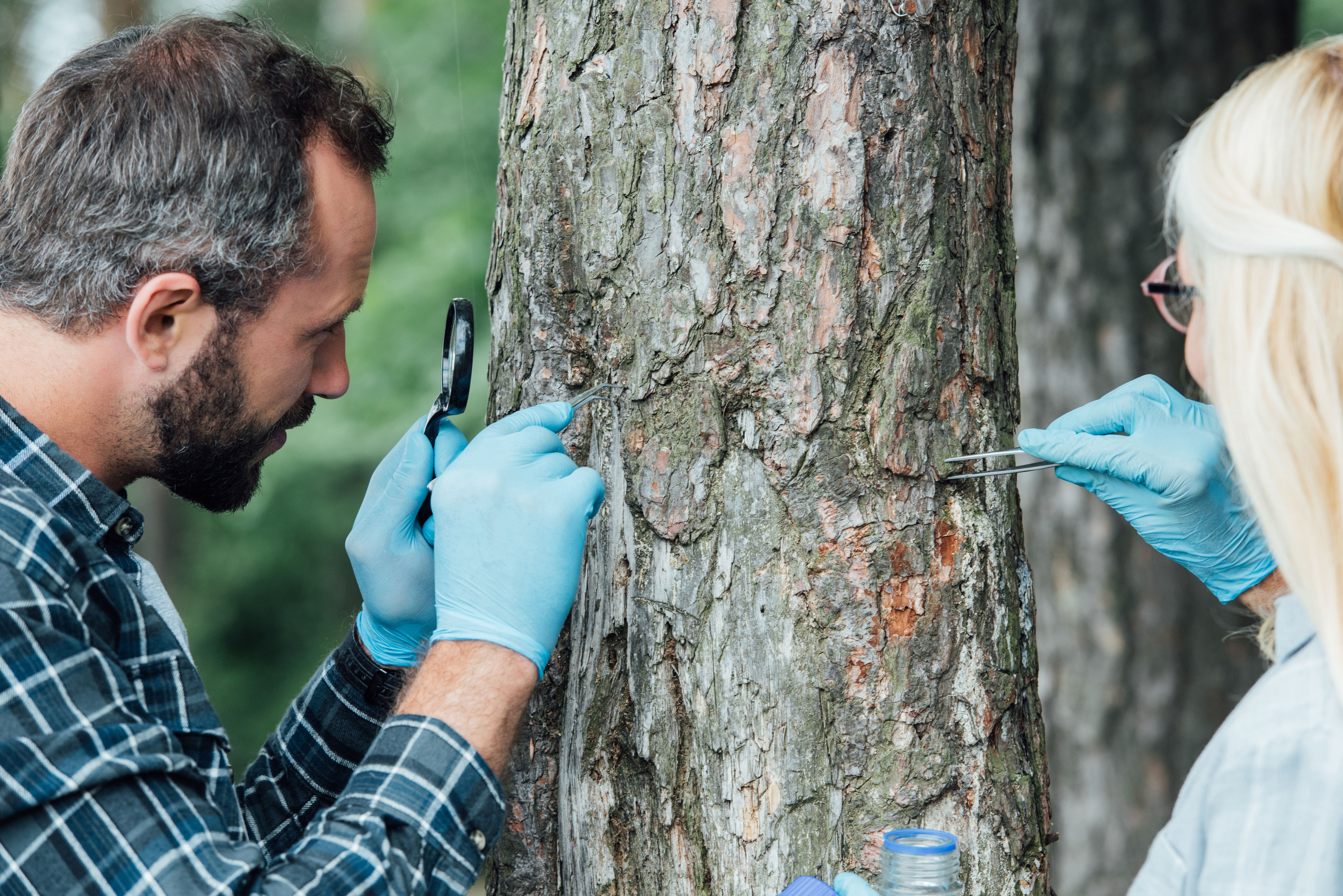
Use a gentle probing tool to check for soft spots in the bark. A healthy tree should have firm bark with no signs of rot or damage. If you notice significant changes, consider consulting an arborist for a professional assessment.
Assessing the Canopy and Leaves
Leaves are one of the most visible indicators of tree health. Check for uniform color and shape. Yellowing leaves or unusual patterns may indicate nutrient deficiencies or disease.
Observe the canopy's density. A thin canopy might suggest stress due to pests or environmental factors. Regular pruning can help maintain the canopy's health and encourage new growth.
Inspecting the Root System
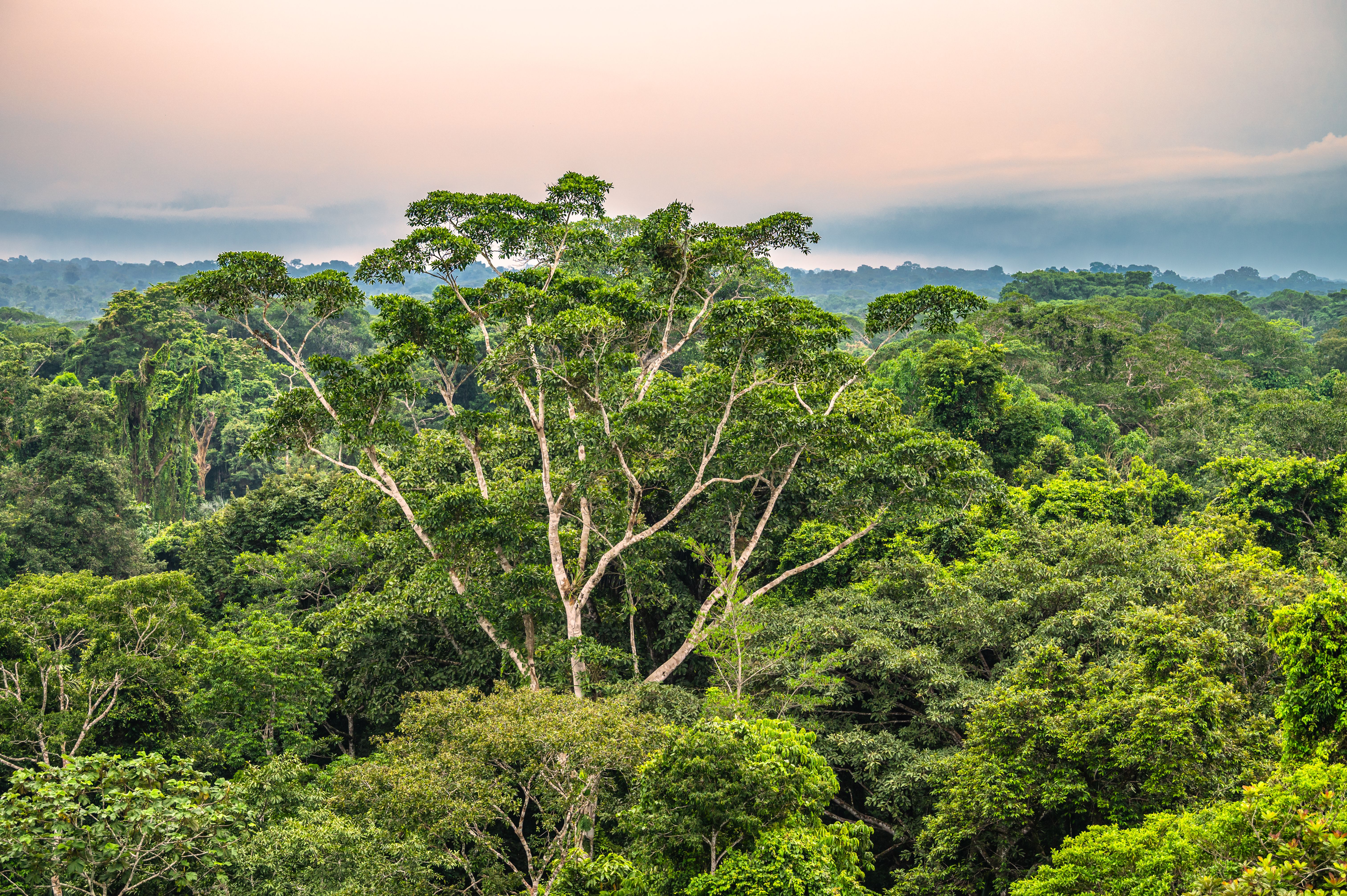
The root system is often overlooked but is critical to tree health. Look for exposed roots, which can be prone to damage. Signs of poor root health include stunted growth or leaning trees.
If you notice any unusual root exposure, take steps to cover them with soil or mulch. Mulching helps retain moisture and provides protection against temperature extremes.
When to Call a Professional
While regular checks can be done by homeowners, certain situations require expert intervention. If you observe significant signs of distress like deep cracks, large dead branches, or pests, it's time to call in an arborist.
Professional arborists have the tools and expertise to diagnose and treat complex tree issues. They can also provide preventive care recommendations to ensure long-term tree health.
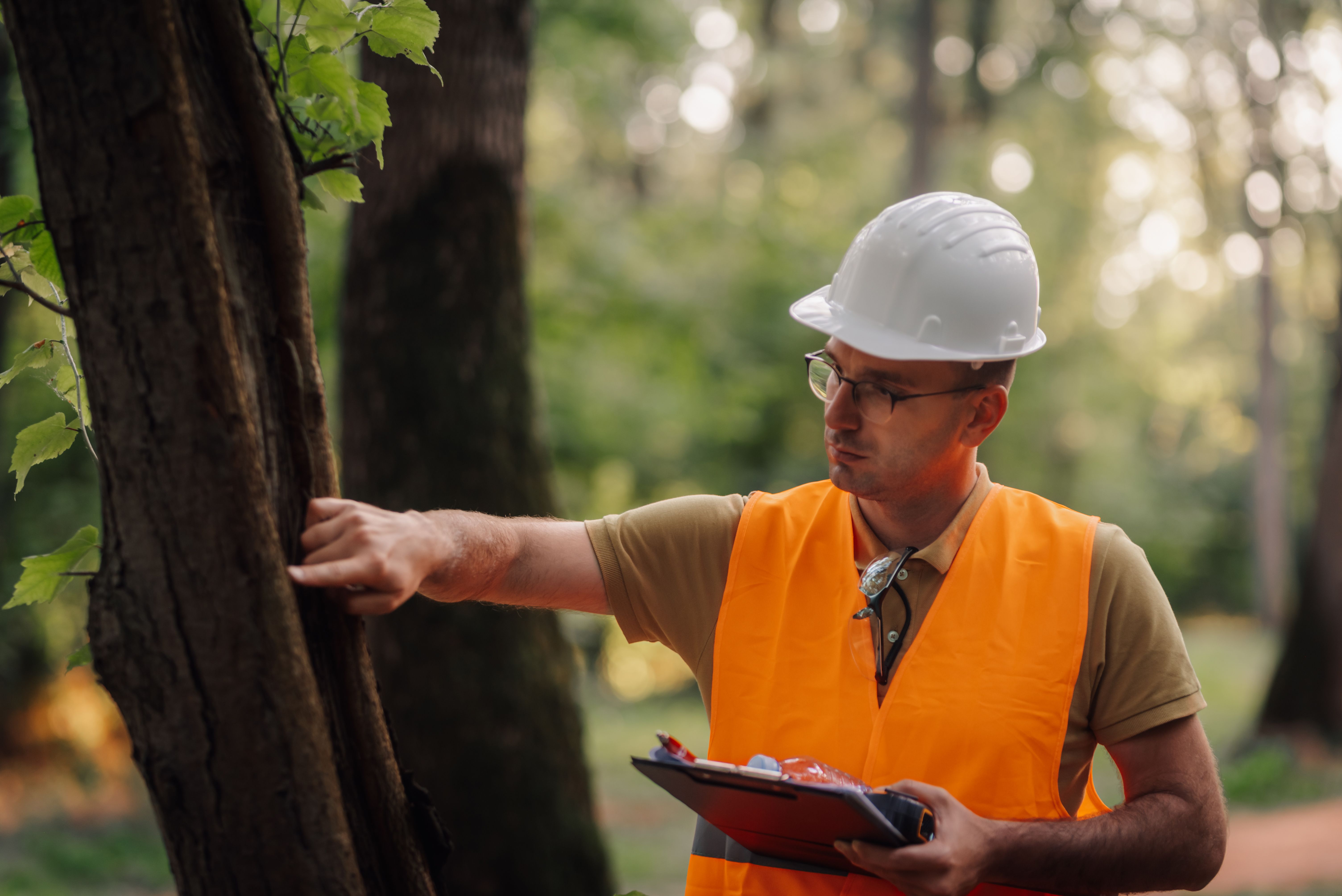
By regularly assessing your trees' health and knowing when to seek professional help, you can enjoy the beauty and benefits of healthy trees for years to come. Remember, proactive care is key to maintaining the vitality of your landscape's most valuable assets.