Preparing Your Trees for Seasonal Changes in Oregon


Understanding Oregon's Seasonal Changes
Oregon is known for its distinct seasons, each bringing unique challenges and opportunities for tree care. As the weather transitions from warm summers to cooler autumns, and eventually to cold winters, it's crucial to prepare your trees for these changes. This preparation not only enhances the health and longevity of your trees but also maintains the beauty of your landscape.
Assessing Tree Health
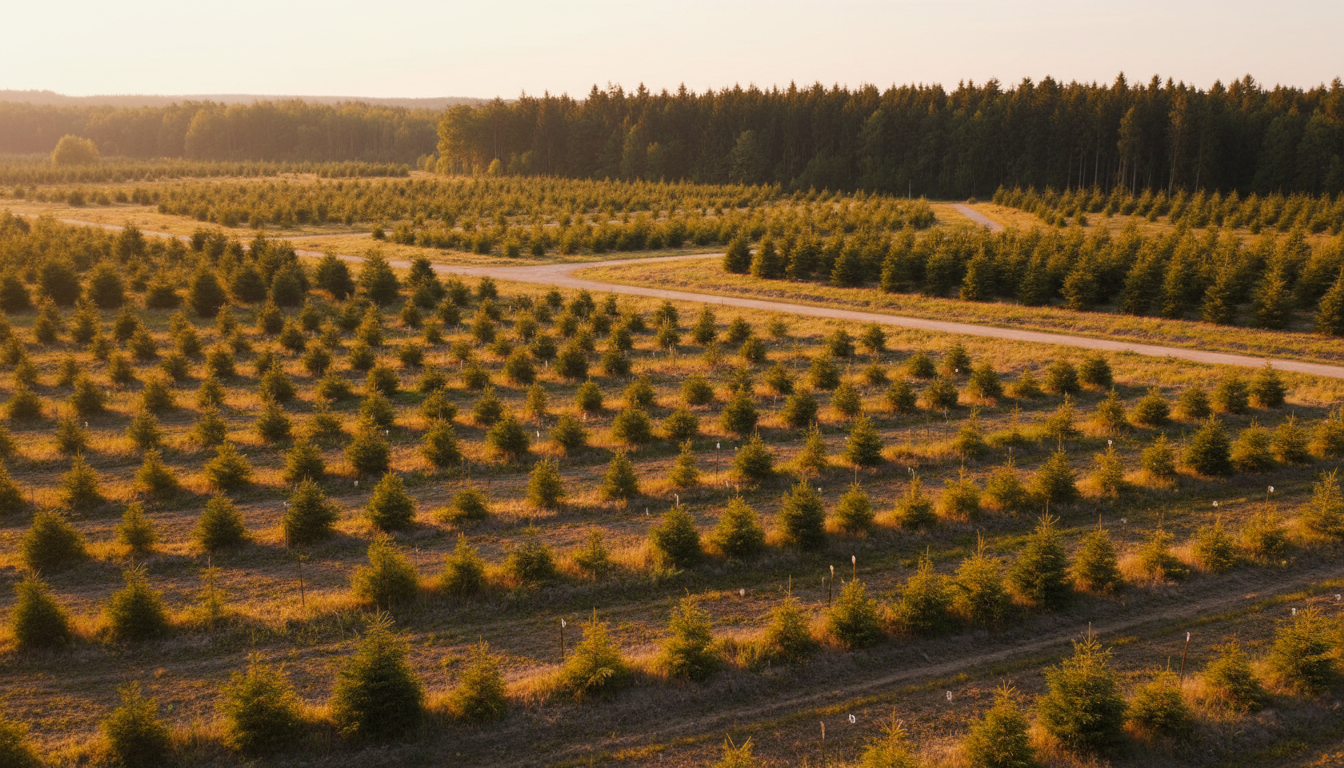
Before implementing any seasonal care strategies, it's essential to assess the current health of your trees. Look for signs of disease, pest infestation, or structural damage. Early detection of these issues allows for timely intervention, preventing further deterioration. Consider consulting a certified arborist for a professional evaluation.
Pruning for Optimal Growth
Pruning is a critical step in preparing your trees for seasonal changes. It helps remove dead or diseased branches, promotes healthy growth, and improves air circulation. In Oregon, late fall is an ideal time for pruning as it prepares trees for the dormant winter season. Be sure to use the right tools and techniques to avoid damaging the tree.
Mulching and Soil Care
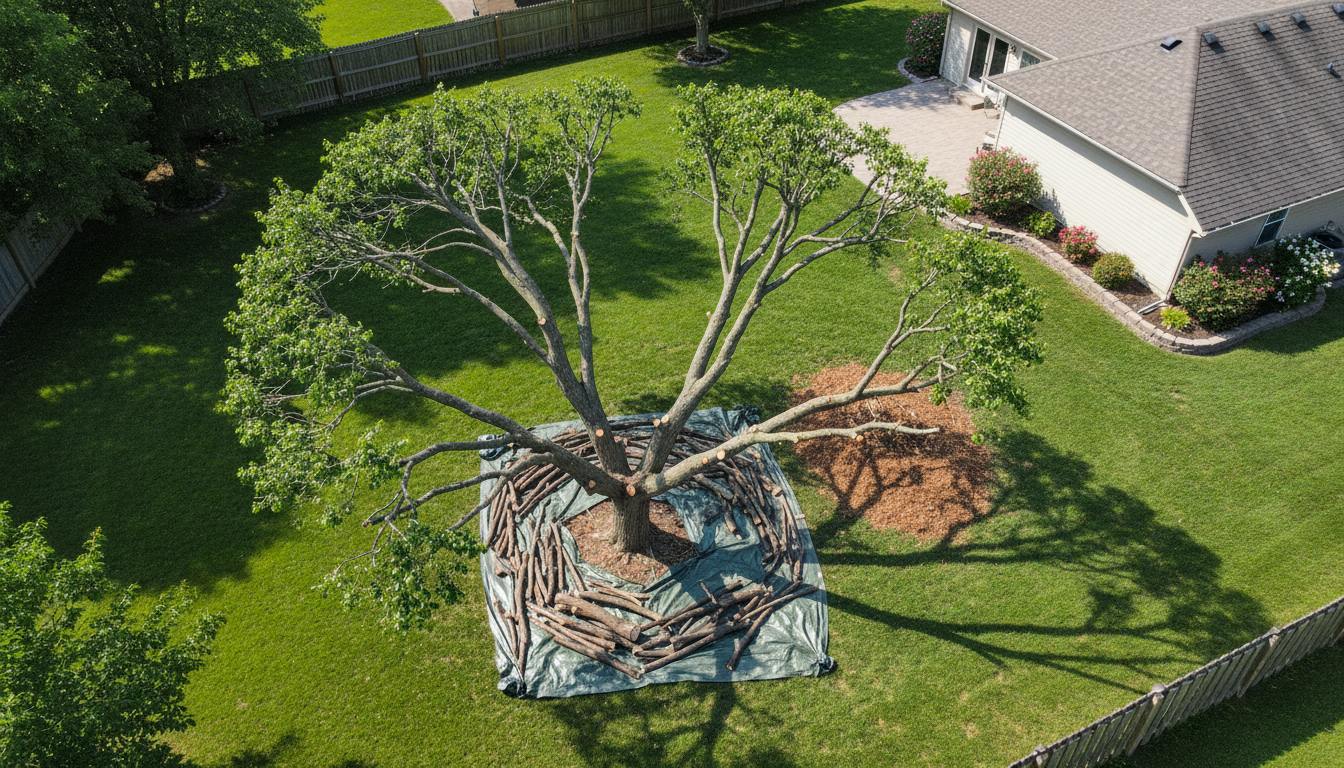
Applying a layer of mulch around the base of your trees can provide numerous benefits. Mulch helps retain soil moisture, regulate temperature, and suppress weed growth. Choose organic mulch materials like wood chips or bark, and apply a layer about two to four inches thick. Ensure the mulch is spread evenly and does not touch the tree trunk.
Watering Strategies
Proper watering is crucial, especially as the season transitions to cooler weather. While trees need less water during the fall and winter, it's important to ensure they are adequately hydrated before the ground freezes. Water deeply and less frequently to encourage deep root growth, which is vital for the tree's stability and nutrient absorption.
Protecting Against Pests and Diseases
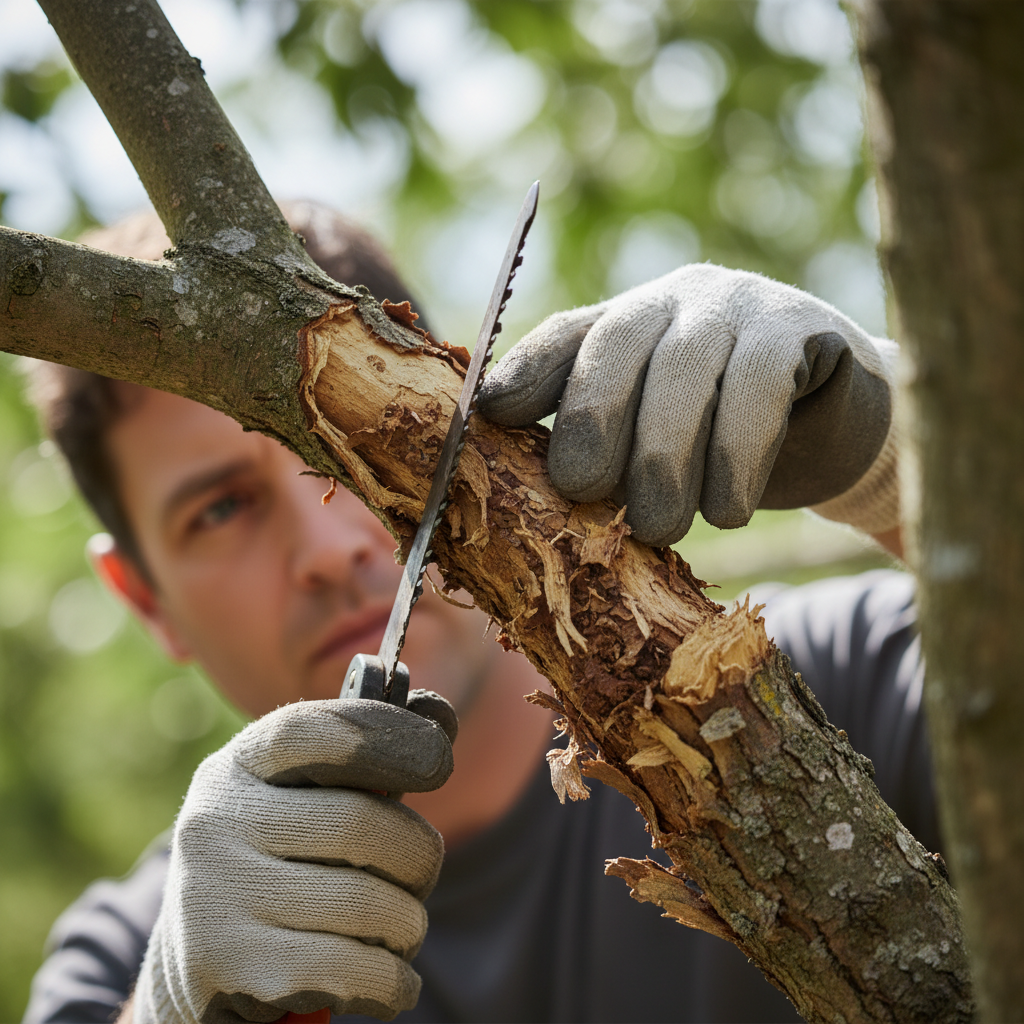
Seasonal changes in Oregon can bring about various pests and diseases that threaten tree health. Implementing preventative measures, such as applying horticultural oils and insecticidal soaps, can help protect your trees. Regularly inspect your trees for signs of infestation and address any issues promptly.
Preparing for Winter Weather
Winter in Oregon can be harsh, with heavy snowfall and strong winds. To protect your trees, consider wrapping vulnerable trunks with burlap or using tree guards. This helps prevent frost cracks and reduces damage from rodents. Additionally, remove any snow accumulation from branches to prevent breakage.
Long-Term Tree Care
Caring for trees is a year-round commitment. Developing a comprehensive tree care plan that considers seasonal changes ensures your trees remain healthy and vibrant. Regular maintenance, including proper watering, fertilization, and monitoring, will help your trees thrive in Oregon's diverse climate.

By taking these steps to prepare your trees for seasonal changes, you contribute to a healthier ecosystem and a more beautiful environment. With the right care, your trees can weather any season, providing shade, beauty, and environmental benefits for years to come.