The Impact of Hillsboro's Climate on Tree Health and Maintenance


Understanding Hillsboro's Climate
Hillsboro, located in the Pacific Northwest, experiences a climate that significantly influences the health and maintenance of its trees. The region is known for its mild, wet winters and dry, warm summers, which create a unique environment for tree growth. Understanding how these conditions affect trees is crucial for proper maintenance and ensuring their longevity.
The wet winters provide ample water supply, promoting lush growth. However, this can also lead to challenges such as root rot and other moisture-related diseases. Conversely, the dry summers require attention to watering practices to prevent drought stress.
Effects of Seasonal Changes
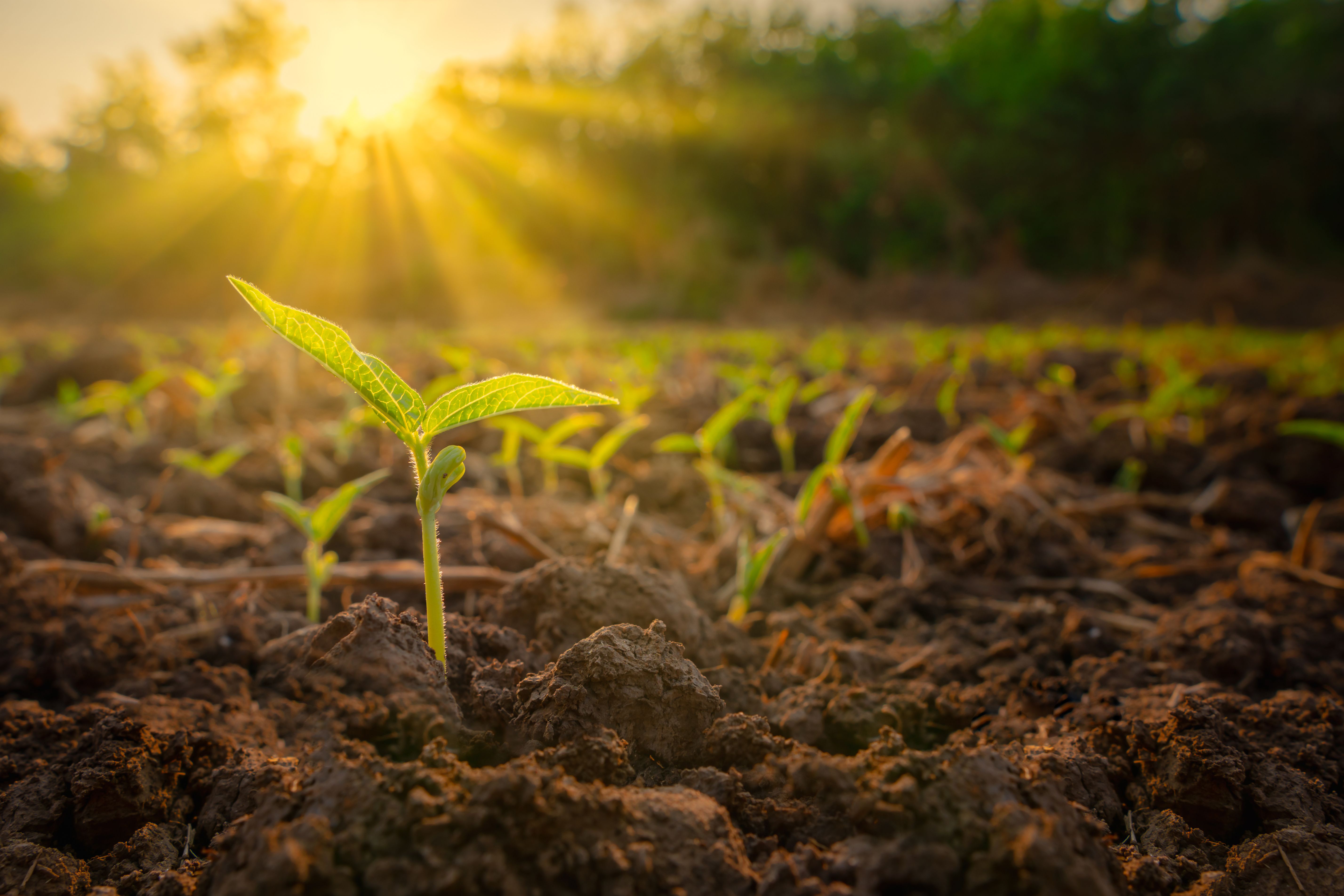
Seasonal changes in Hillsboro bring about specific challenges for tree maintenance. During the spring, the sudden increase in temperature and daylight can cause rapid growth. While this is beneficial, it also requires regular pruning to manage the tree structure and health.
In summer, the focus shifts to ensuring trees receive adequate water. Mulching is an effective method to retain soil moisture and protect roots from the heat. Additionally, monitoring for pests that thrive in warmer temperatures becomes essential.
Autumn and Winter Concerns
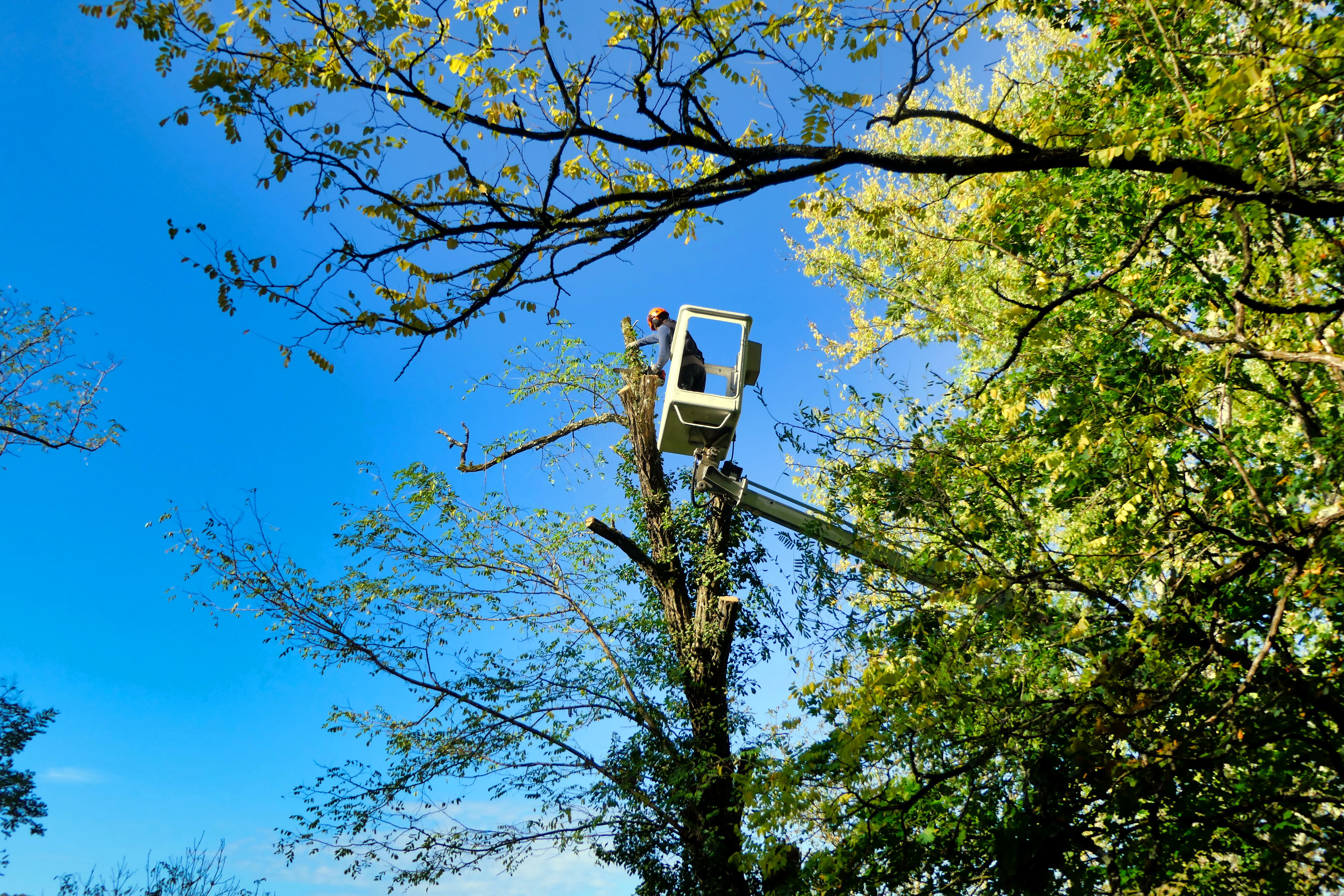
As autumn arrives, trees begin to prepare for dormancy. This is a critical time for fertilization, as it helps strengthen trees for the winter months. Removing fallen leaves and debris can prevent disease and pest infestations.
Winter poses the risk of snow and ice accumulation, which can damage branches. Regular inspection and timely pruning can mitigate these risks. It's also important to ensure young trees are adequately supported during this period.
Common Tree Diseases and Pests
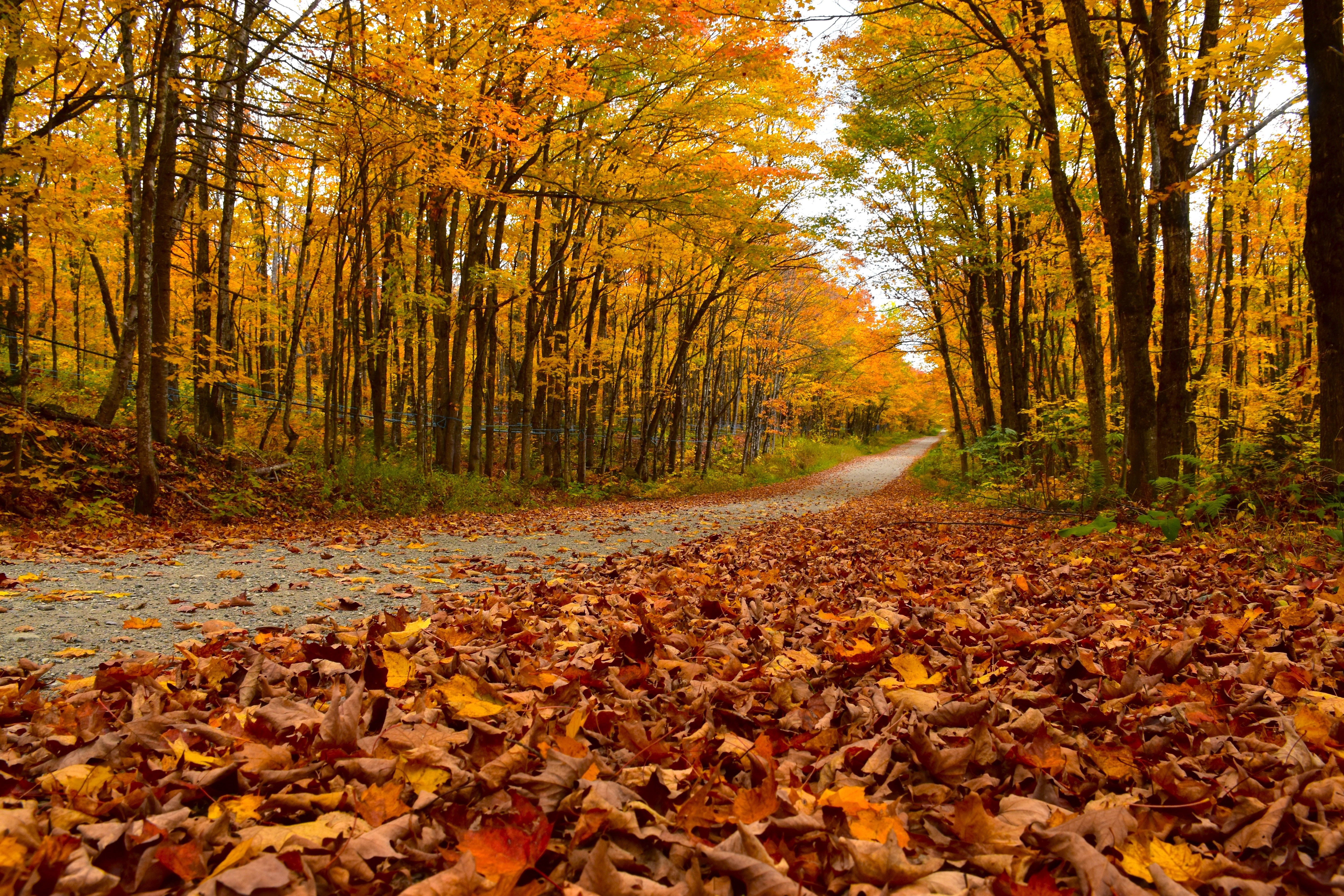
Hillsboro's climate is conducive to certain diseases and pests that can affect tree health. Common issues include fungal infections like powdery mildew and pests such as aphids and caterpillars. Identifying these early through regular inspections is crucial.
Integrated pest management strategies can help control infestations. This includes using biological controls and ensuring trees are not stressed, as healthy trees are more resistant to attacks.
Tree Species Suitable for Hillsboro
Choosing the right tree species for Hillsboro's climate can make maintenance easier and improve tree health. Native species such as the Douglas fir, western red cedar, and bigleaf maple are well-adapted to the local conditions.
These trees are not only resilient but also support local wildlife. Planting native species can reduce the need for extensive maintenance and contribute to a balanced ecosystem.
Best Practices for Tree Maintenance
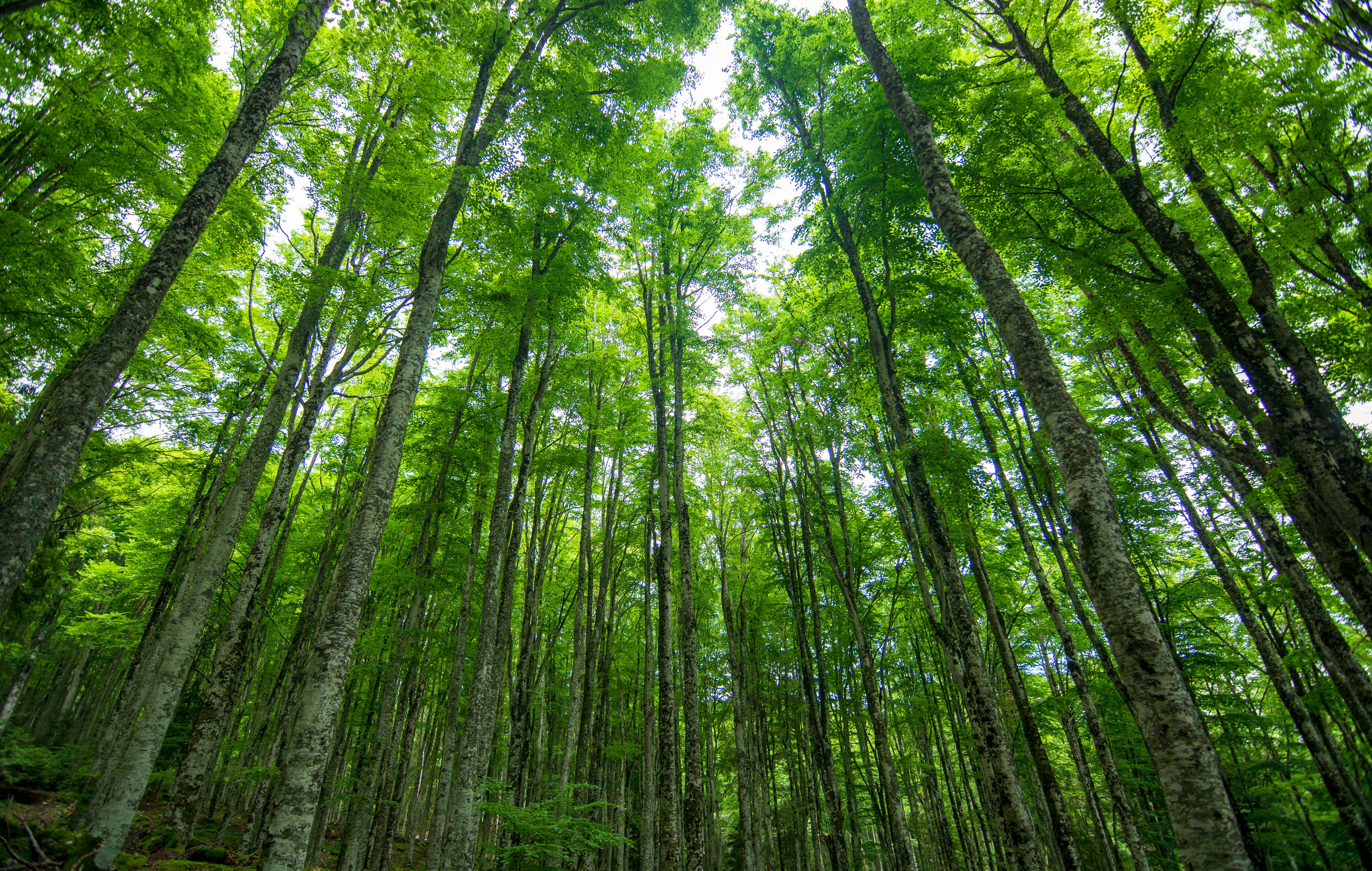
Effective tree maintenance in Hillsboro involves a combination of proper planting, regular watering, pruning, and pest management. Adopting a proactive approach can prevent many common issues from arising.
Regular consultations with arborists can provide valuable insights into specific tree care needs and ensure that trees remain healthy throughout the year. Investing in professional advice can save time and resources in the long run.
Ultimately, understanding the impact of Hillsboro's climate on tree health and maintenance enables property owners to make informed decisions that benefit both their trees and the environment.